
Research

warning: implode() [function.implode]: Invalid arguments passed in /home/wpsites/public_html/includes/theme.inc on line 1229.

Current BrightSpark Fellows 


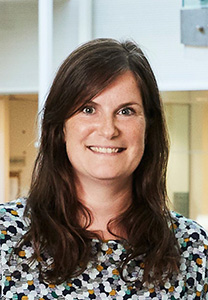
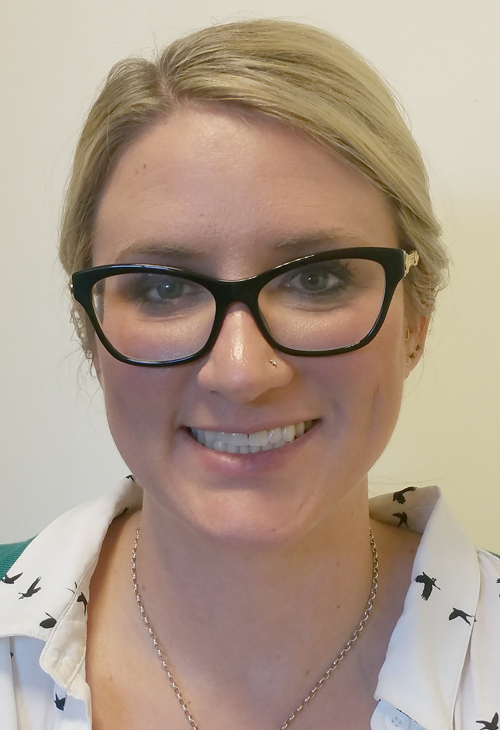
Dr Shelley Gorman


Study: What are the effects of Vitamin D deficiency 'in utero' and early life, in modulating allergic skin and lung disease?

Dr Gorman completed her PhD in 2004 and subsequently joined the laboratory of Prof Prue Hart at the Telethon Institute for Child Health Research.  In the past 6 years she has been named as a chief investigator with Prof Hart on a National Health and Medical Research Council Project Grant (2009-2011) and five other grants awarded by the Cancer Council of WA, Asthma Foundation of WA and the University of WA

Dr Gorman’s research project addresses the potential significance of vitamin D3 in the protection against onset of allergic disease, particularly early in life.

Vitamin D has recently been identified as a factor that controls the progression of cancers, autoimmune disease and allergy. In particular, deficiency in vitamin D in early life has been associated with an increased risk of allergy and asthma. However, the particular roles that vitamin D has in modulating allergic skin and lung conditions like psoriasis and asthma are unknown.

Using mouse models of skin disease and asthma, Dr Gorman’s project aims to determine how vitamin D deficiency may affect the progression of allergic skin and lung disease, with a particular focus on the cellular immune responses that may be affected by deficiency. The project also aims to ascertain whether supplementation with vitamin D (through the diet or with exposure to sunlight) is a feasible therapeutic strategy for the prevention and treatment of allergy.

It is likely that the findings will elucidate potential roles of vitamin D3 that are relevant to human allergy. The novelty of this project is high as it will identify if maternal vitamin D3 deficiency during pregnancy alters adaptive immune responses in vitamin D3 deficient offspring maintained on a diet deficient in vitamin D3.


Dr Louise Naylor


Study: Can exercise improve microvascular function in adolescents with type 2 diabetes?

Dr Louise Naylor is a Research Associate, School of Sport Science, Exercise and Health, University of Western Australia.

Through her current research project, Dr Naylor is trying to identify the effects on glucose control and small vessels in young people, when exercise is utilised as a major strategy in the prevention and management of diabetes. This is an area that is currently not understood.

As obesity rates increase, type 2 diabetes, formerly only diagnosed in adults in their late 50s and 60s, is becoming more common in teenagers. Diabetes is associated with disease of the small blood vessels, which is a leading cause of death and disability in this patient group. There are, however, results suggesting that the changes associated with small vessels disease may be reversible during the first years following diagnosis if the patient is optimally managed.

Management of type 2 diabetes in adolescents relies primarily on lifestyle modification. However, it is preferable not to impose diets on young people. Exercise is therefore a major strategy in the prevention and management of diabetes. It is important to understand the effects of exercise to establish a benchmark for the use of exercise in young people with diabetes, when the disease is in its reversible stages. However, no studies have, to date, examined this.

The study will involve thirty adolescents with type 2 diabetes, and 30 adolescents with insulin resistance, the precursor of type 2 diabetes, who will be recruited and compared to a 30 obese (BMI matched) but otherwise healthy controls and 30 normal weight, healthy adolescents. Diabetic and insulin resistant subjects will be either a) undertake an exercise program, or b) maintain inactive for a 12 week intervention period. In all individuals, small vessel function and blood glucose levels will be measured before and after the intervention period. Body composition, fitness and strength at the same time points, will also be measured.

Dr Naylor’s study will inform strategies aimed at preventing future cardiovascular disease/disability in young people at high risk. This study will also enable exercise programs to be designed on an evidence-basis to translate into optimal clinical benefit.
 

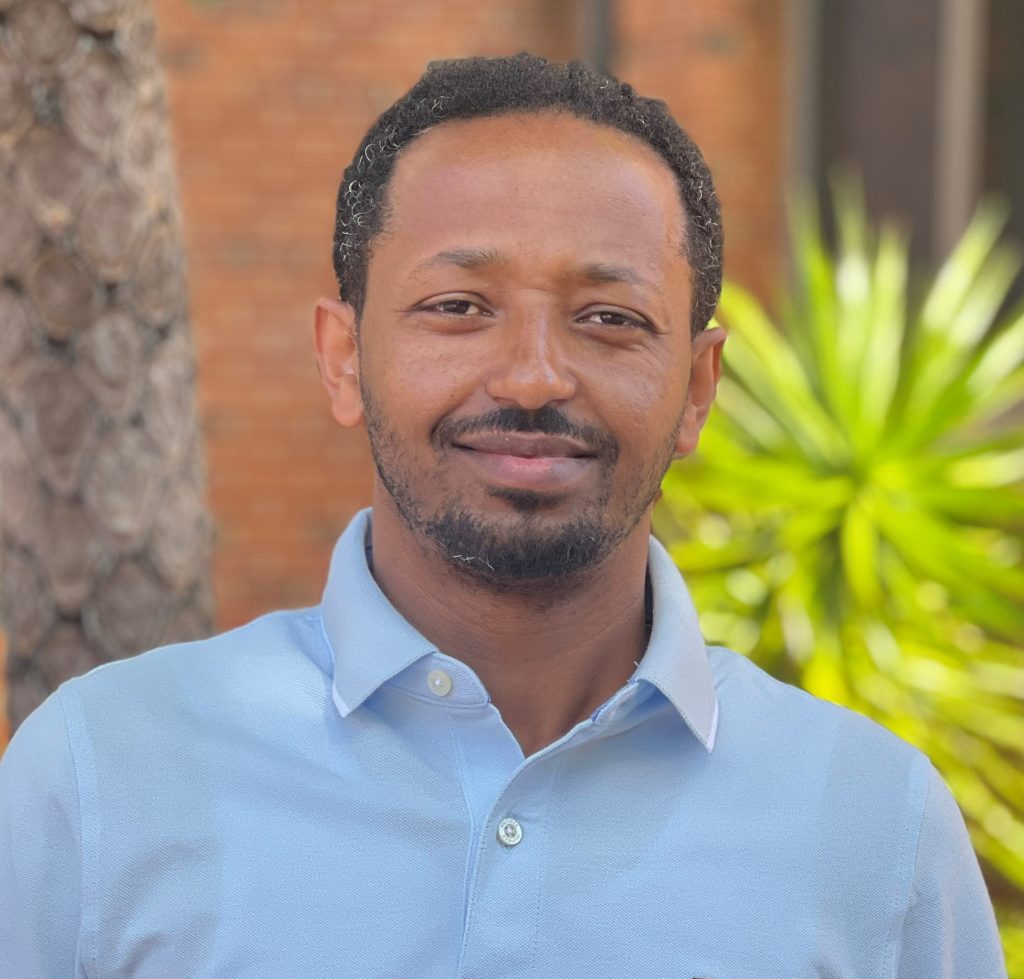
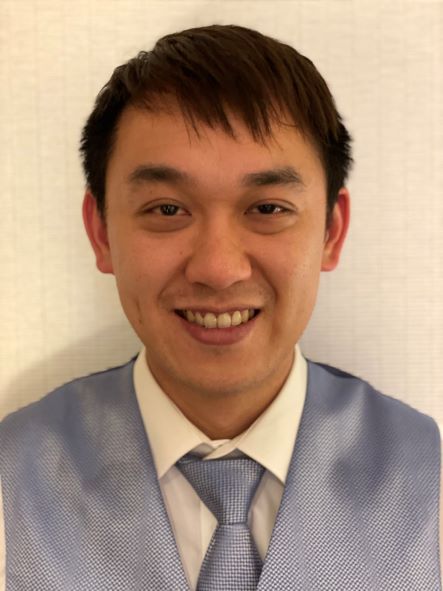
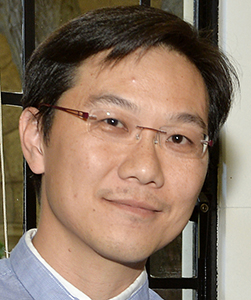
Dr Andrew James Currie


Study: Investigating the function of Toll-like receptor and Nod-like receptor pathways in preterm and term infant innate immune cells in response to infection.

Dr Andrew Currie is a Research Fellow and Senior Lecturer in Immunology at Murdoch University, WA. He was awarded his Ph.D. with distinction in 2001 from UWA and then commenced 3 years of productive post-doctoral training in an infectious diseases laboratory at the British Columbia Research Institute for Women and Children’s Health in Vancouver, after receiving a Canadian Cystic Fibrosis Foundation Fellowship. He returned to Australia in 2004 after being awarded a Healy Fellowship from the Raine Medical Research Foundation to work as an independent Research fellow within the Tumour Immunology Group, at the University of WA before going on to work as a Senior Research Fellow at the UWA School of Paediatrics and Child Health in 2008. He has been actively involved nationally and internationally in innate immunity research over the last 10 years, focusing particularly on the role of Toll-like receptors (TLR) in initiating and controlling inflammation.


It is known that preterm infants (>22,000/year in Australia) are particularly prone to infections with commensal microorganisms, such as coagulase negative staphylococci, which rapidly colonise all newborns after birth. Additionally, preterm infants have worse outcomes from infections with more pathogenic organisms such as Escherichia coli and Candida albicans.


Given that defence against infection in the newborn is critically reliant on the innate immune system, Dr Currie’s detailed comparison of preterm and term infant responses to various microorganisms will allow characterisation of the key innate responses that normally recognise and control both commensals and pathogens in healthy infants and children.


Dr Currie has established a number of clinical studies which give unique access to preterm and term infant samples, both at birth (cord blood) and during early life and childhood, when the risk of infection is highest. Using these cohorts he is trying to:

1. Identify critical innate immune pathways of newborn commensal and pathogen recognition

2. Study the development of the innate immune system in infancy and early childhood

3. Examine the impact of antenatal factors (such placental inflammation) on innate immune function

4. Determine if innate responses in the newborn are epigenetically regulated 


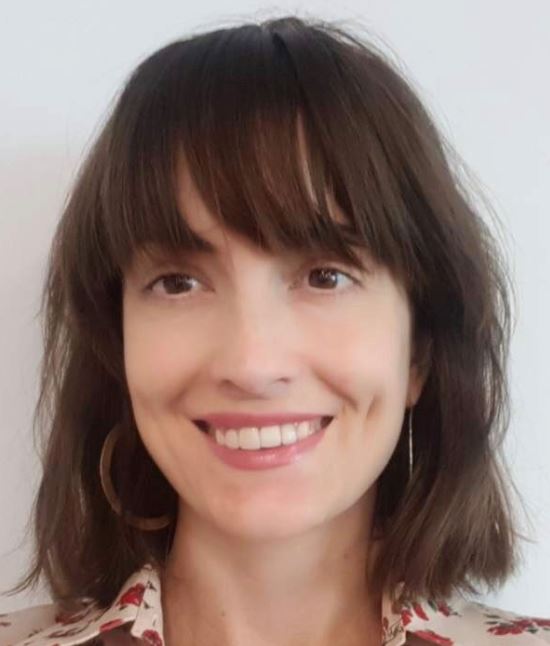
Dr Sarra Jamieson 

Research Team

Study: The genetics of Otitis Media in WA Children - a family study of ear infections using data collected from over 1000 individuals. 


Dr Jamison’s research involves a family study of ear infections using data that is being collected from 1000 families. Sarra currently heads a research group within the Division of Genetics and Health at the Telethon Institute for Child Health investigating the genetic and epigenetic determinants underlying common childhood diseases, of which this study is one aspect.
 

Specifically, Dr Jamieson’s research is focussing on the genetic susceptibility of children to recurrent episodes of acute otitis media (or ear infections). As part of this investigation, Dr Jamieson and her team have driven and flown all over Western Australia, collecting samples from children who have had grommets and their parents. This is currently generating the largest resource of salivary DNA and environmental data records for investigation of OM in the world.

The collection of this data represents a unique resource within Australia that will allow investigation of susceptibility genes initally via candidate gene analysis and ultimately via a genome-wide association study.


 Dr Sarra Jamieson completed her PhD and post doctoral research in Genetic Epidemiology at the University of Cambridge, UK. In 2007 she joined the Telethon Institute for Child Health Research (TICHR) as a Research Fellow within the Division of Genetics and Health.


BrightSpark Fellowships run for up to 3 years.


Some examples of our other funded research include:


Indigenous - Health Kulunga Research Network

Leukamia - Dr Ursula Kees and Dr P. Watt

Asthma - Dr Sunnalene Devadason

Indigenous Diabetes - Unity of the First People of Australia

Pre-term lung maturation - Dr Timothy Moss

Kidney Research - Fremantle Hospital medical Research Foundation

Allergies - Dr Janet Dunstan

Immunology - Dr Louise Lathbury

Childhood Lung Disease - Dr Anthony Kicic

Human Cytomegalovirus - Dr J Allan and Prof G Shellam

Cholestrol screening in childhood - Dr V Burke and Prof L Beilin


Are you one of our alumni? We’d love to hear from you and find out more about what you are working on at the moment.